
What changed
Every time the web changed, the expensive part moved.
Five stops, from a page that could not do anything to a build where writing the code is the cheap part. Each shift changed what a business actually paid for. The last one is why we price the job rather than the hours.
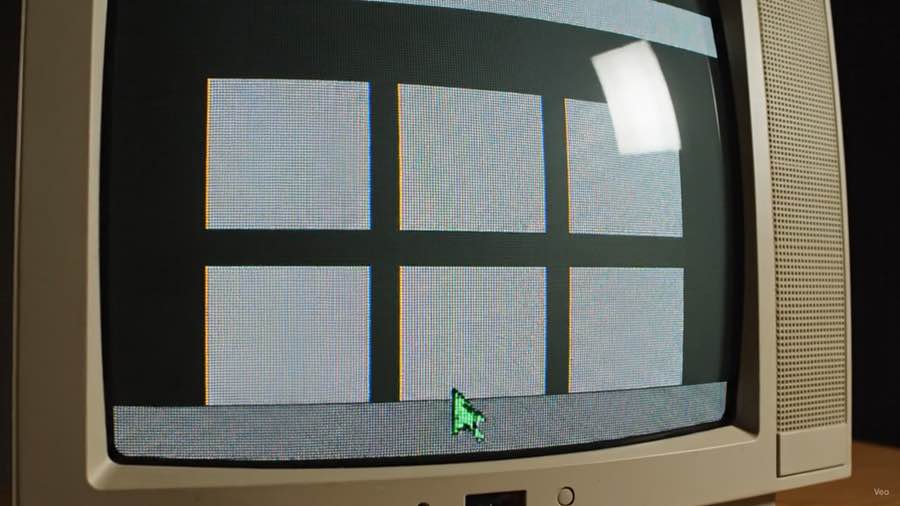
1993
Getting online at all was the achievement
Illustration1993
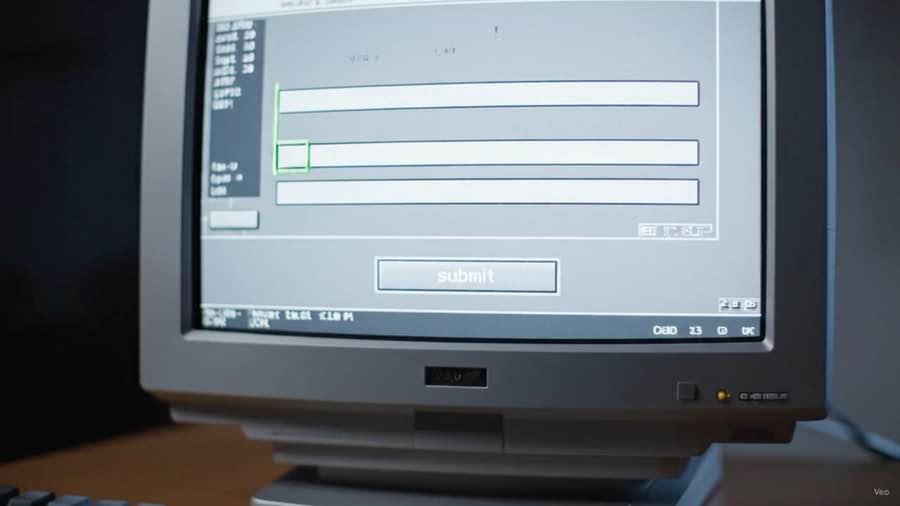
2004
Then the page had to actually do something
Illustration2004

2012
The same product, three times over
Illustration2012

2018
The code stopped being most of the bill
Illustration2018
2026
The writing is cheap. The judgement is not.
The same five shifts, in full
Each of those moved the cost somewhere new
Every era made one part of building software cheap and quietly made another part expensive. Read down the column and the pattern is the whole argument: what you were paying for kept moving, and it has just moved again.
1993
Getting online at all was the achievement
Your page gave an address, a phone number and a list of what you sold. It could not take an order. Enquiries arrived as email, and somebody rang back.
Months, and someone who wrote HTML by hand, for a page that could not do anything.
2004
Then the page had to actually do something
Three fields and a submit button. Behind them, a database, an order, a card payment. A page could take money now, so being wrong got expensive.
You stopped paying for the page, and started paying for the people you trusted with the database.
2012
The same product, three times over
The same booking form, built again for phones, again for tablets, again for whatever shipped next. Every version had to agree with the others.
One product, paid for several times over, and again every time it changed.
2018
The code stopped being most of the bill
Pipelines, staging environments, containers, review queues, a standup to hold it all together. The form was still a form.
Most of the invoice went on the machinery around the code, and on the people keeping the machinery running.
2026
The writing is cheap. The judgement is not.
That form takes minutes to generate. So the question stopped being whether somebody can build it, and became who decided it was right.
We price the job, not the hours, and the number is agreed before anyone starts. So when a build goes faster, the saving lands on your side of the invoice instead of ours.
Which is why the useful question changed
A model will produce code that runs and is wrong, cheerfully, and it will not tell you which kind it just wrote.
So the thing worth paying for is no longer the typing. It is whether somebody read what came out, understood how it behaves under load, and would defend it in review.
Illustrative
The same job, in 2026
Name
What you are building
Request a time
A picture of the form, not the form. The real one is below.
Next step
Tell us what is breaking, and what it costs you.
A scoping call is 30 minutes and gets you a fixed estimate. If we are the wrong people for it, we will say so.
- Reply within one business day
- Fixed price, fixed scope
- You own the code