Voice AI
24/7 voice AI for inbound customer care
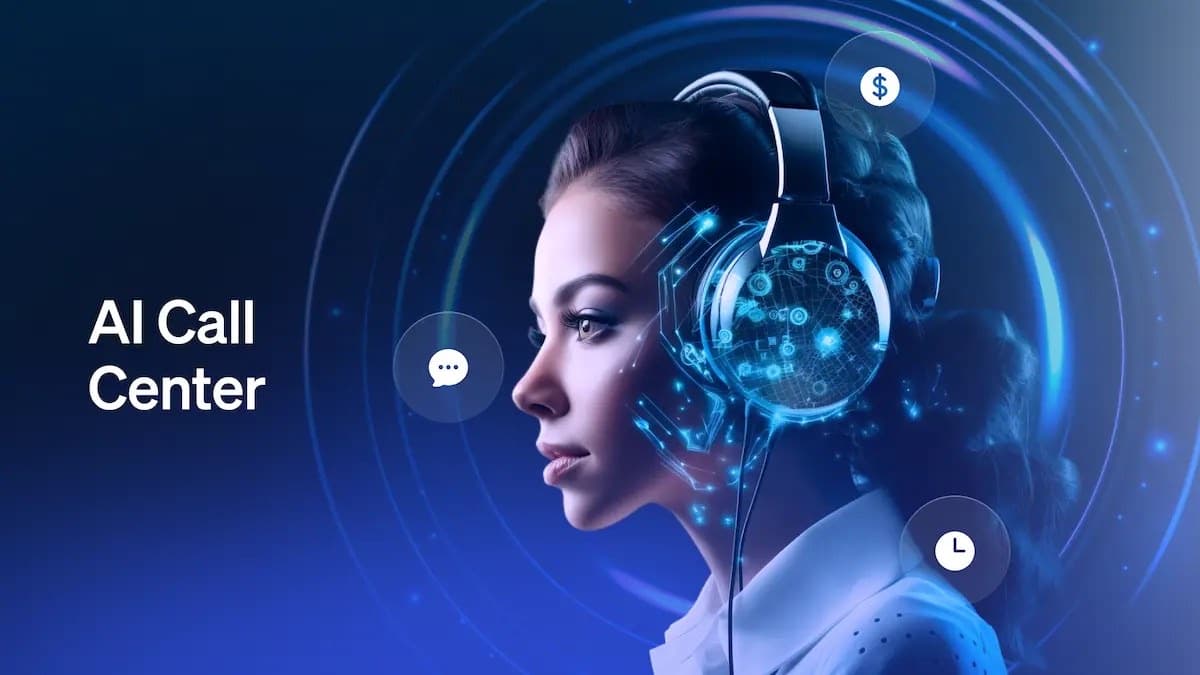
A production voice assistant that answers inbound calls, books appointments, resolves FAQs and updates the CRM — handing off to a human when the conversation needs one.


Case studies
AI, voice and automation builds — each one runs the same way: what the client was actually stuck on, the architecture we chose, the calls we would still defend, and what shipped. Written by the engineers who built them.
The work
Twelve builds across voice, conversational AI, automation, trading infrastructure and app rescue. Open any one for the architecture, the decisions and what shipped.
Voice AI
A production voice assistant that answers inbound calls, books appointments, resolves FAQs and updates the CRM — handing off to a human when the conversation needs one.
FinTech
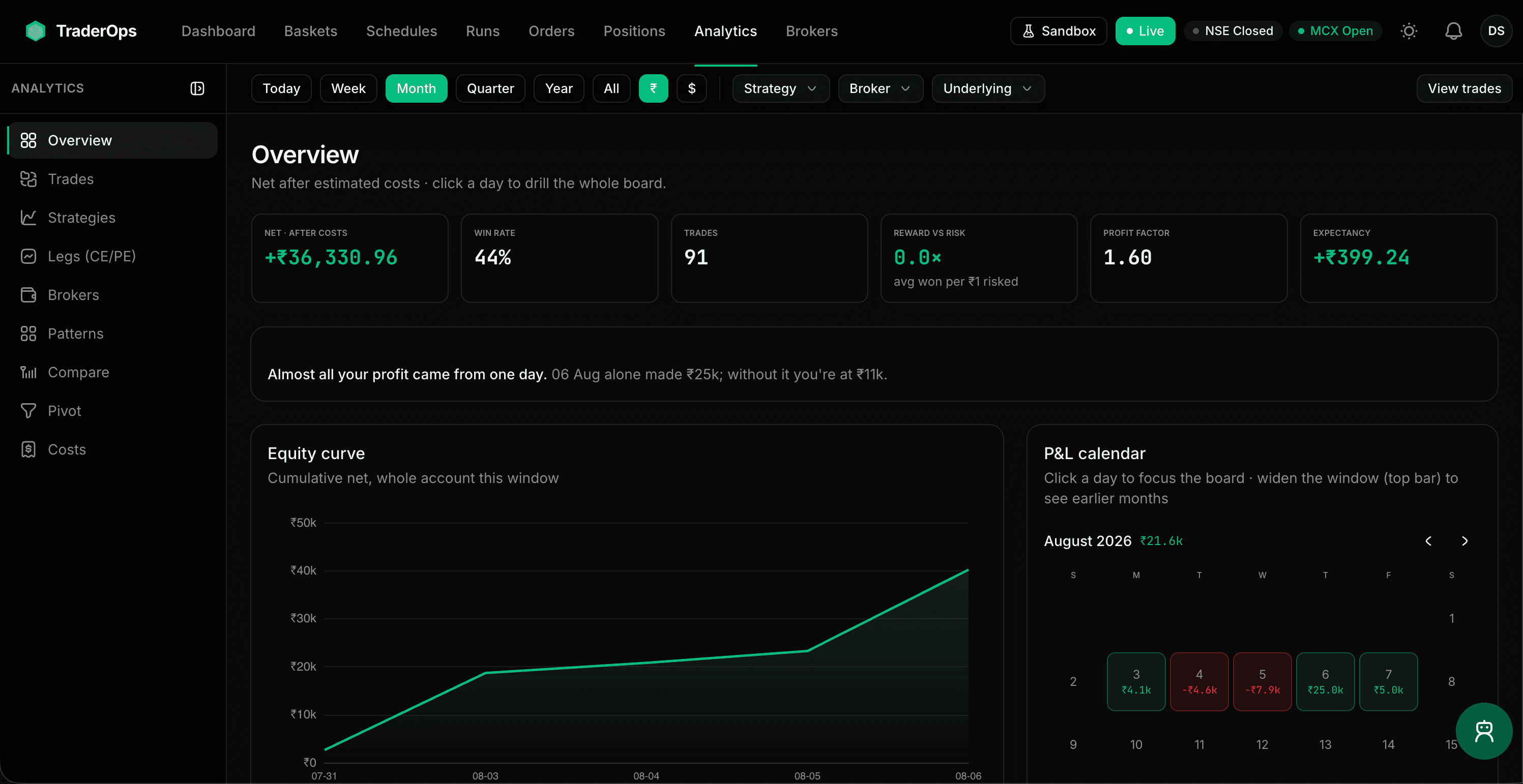
Compose, backtest and run a strategy on one engine, across eight Indian brokers, with paisa-exact parity between the backtest and the live fill.
Conversational AI
A multimodal assistant for a fintech client that keeps text and voice inside a single session, and challenges a session that starts behaving like a script rather than putting a CAPTCHA in front of everyone.

Voice AI
An outbound pipeline that phones a lead seconds after the form is submitted, qualifies intent in natural dialogue and books the property tour.


Automation
An agentic system that turns long-form writing into platform-shaped assets — short video, social posts, editorial — and publishes them on schedule.


NLP
A sentiment engine that reads intent, politeness and escalation risk across 25+ languages, where standard tools misread polite frustration as satisfaction.


Voice AI
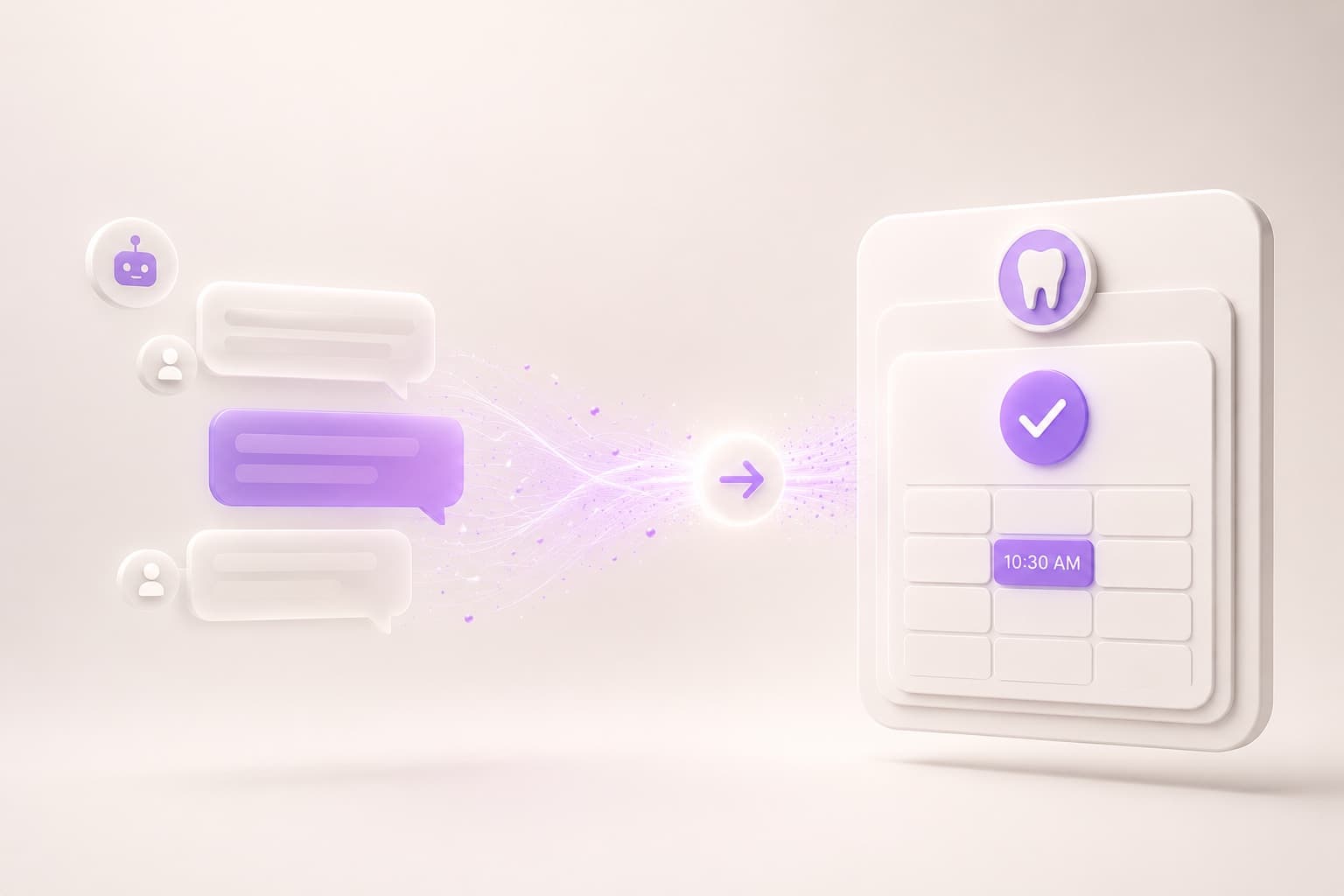
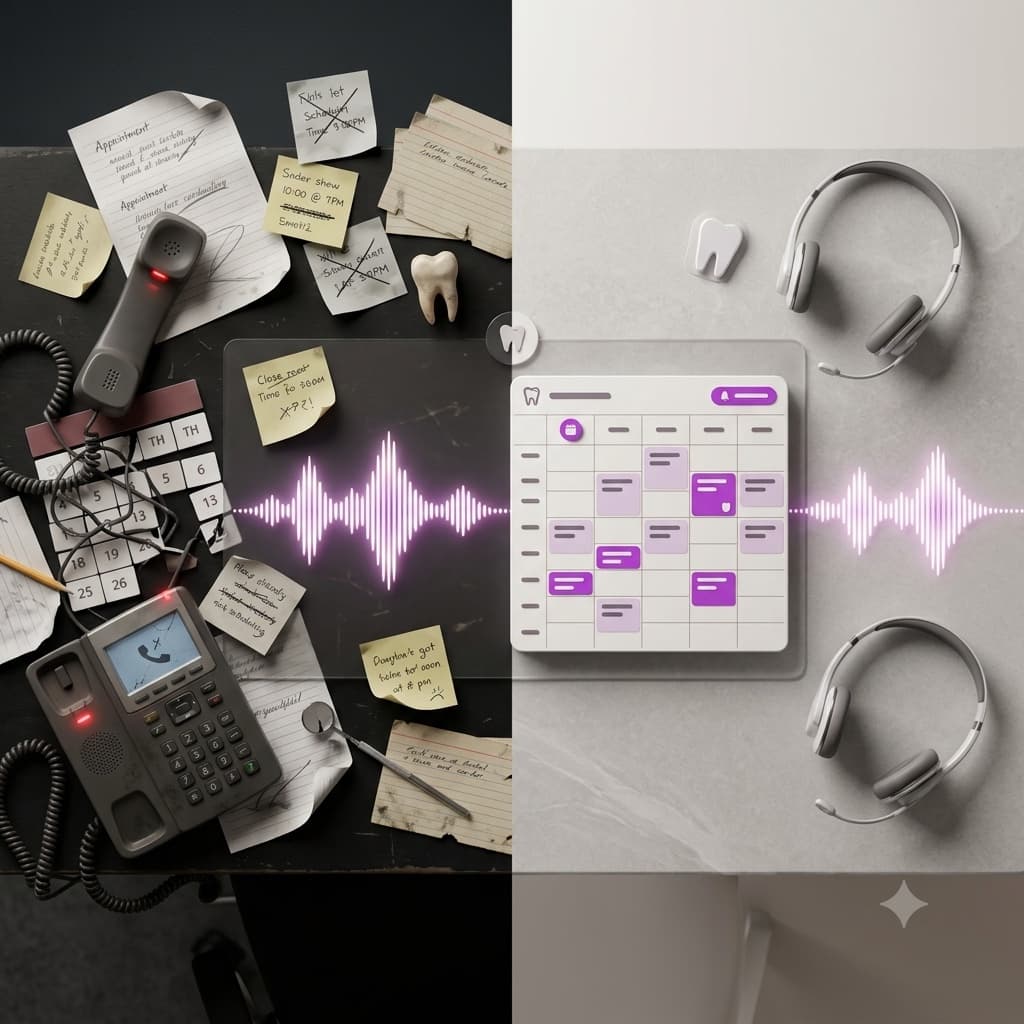
A voice assistant running the whole appointment lifecycle — answering the call, taking patient details, checking the calendar, confirming the slot.
Travel
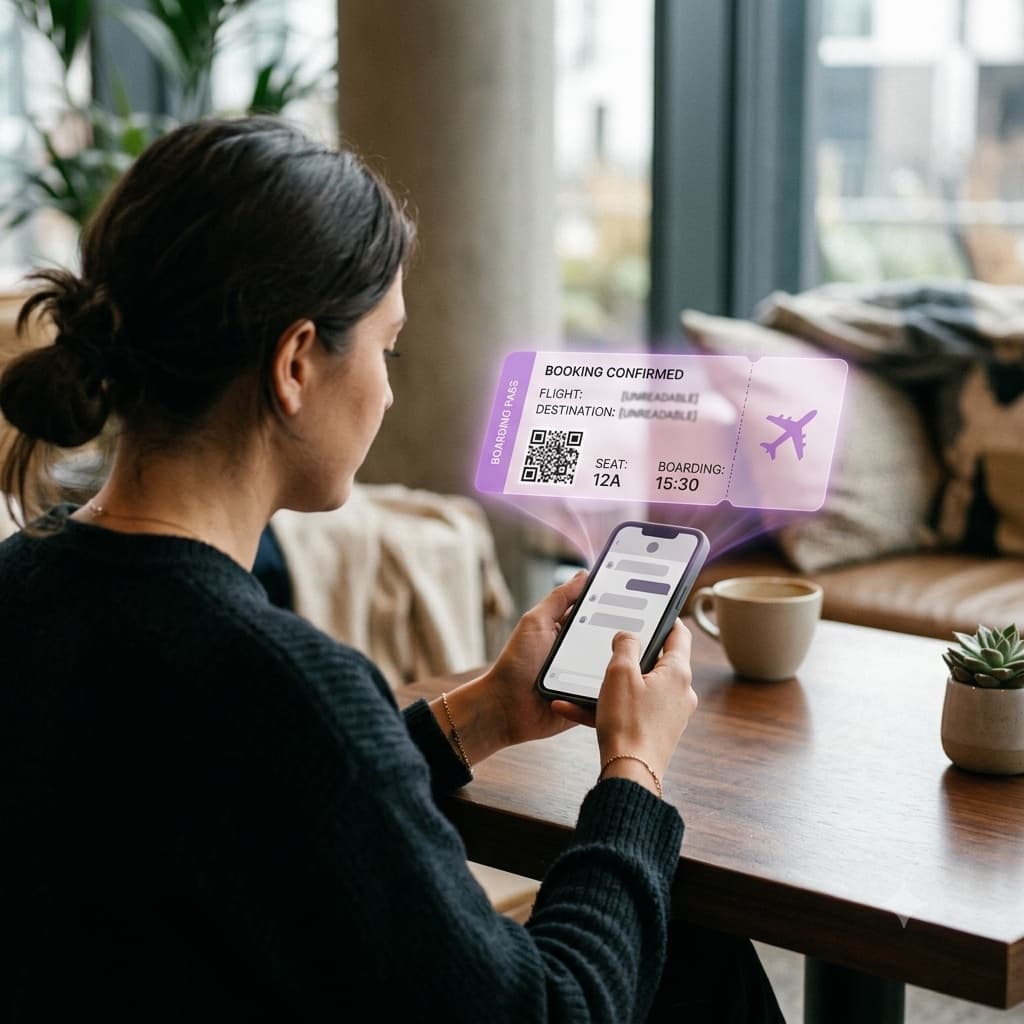
A Telegram and WhatsApp concierge that suggests itineraries with live pricing across 50+ countries, qualifies the traveller and carries them to a booking.
SaaS
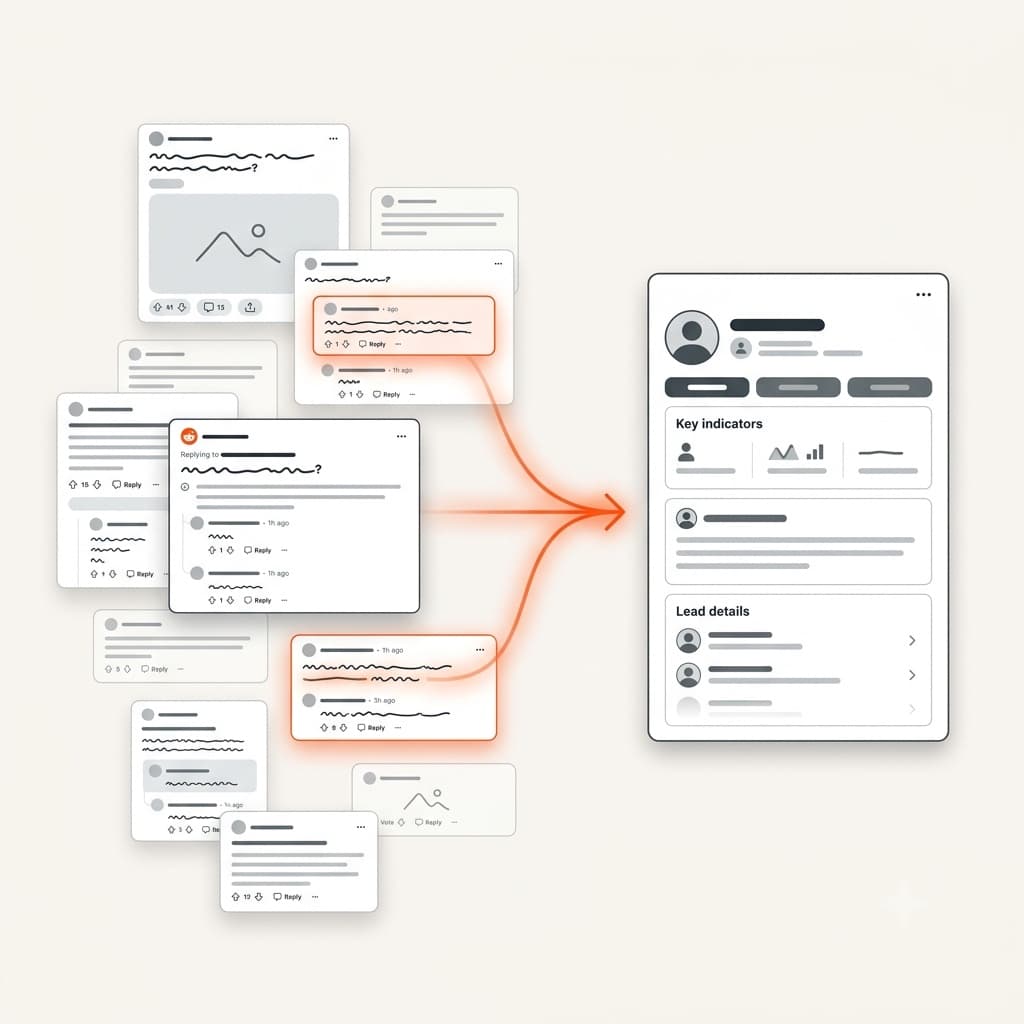
A multi-tenant platform watching 1,000+ subreddits hourly, using a dual-layer scrape with shared caching so the cost does not scale with the tenant count.


SaaS
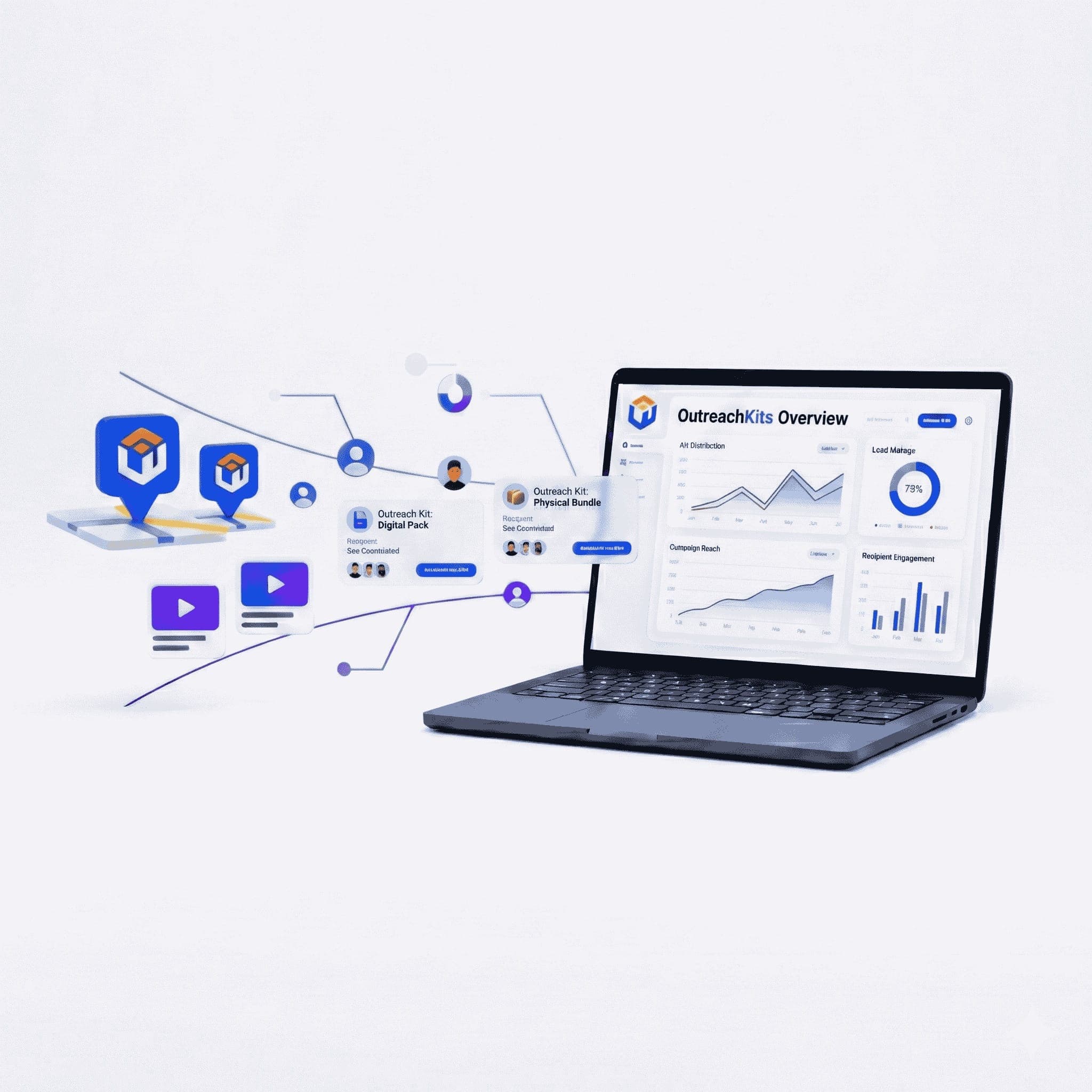
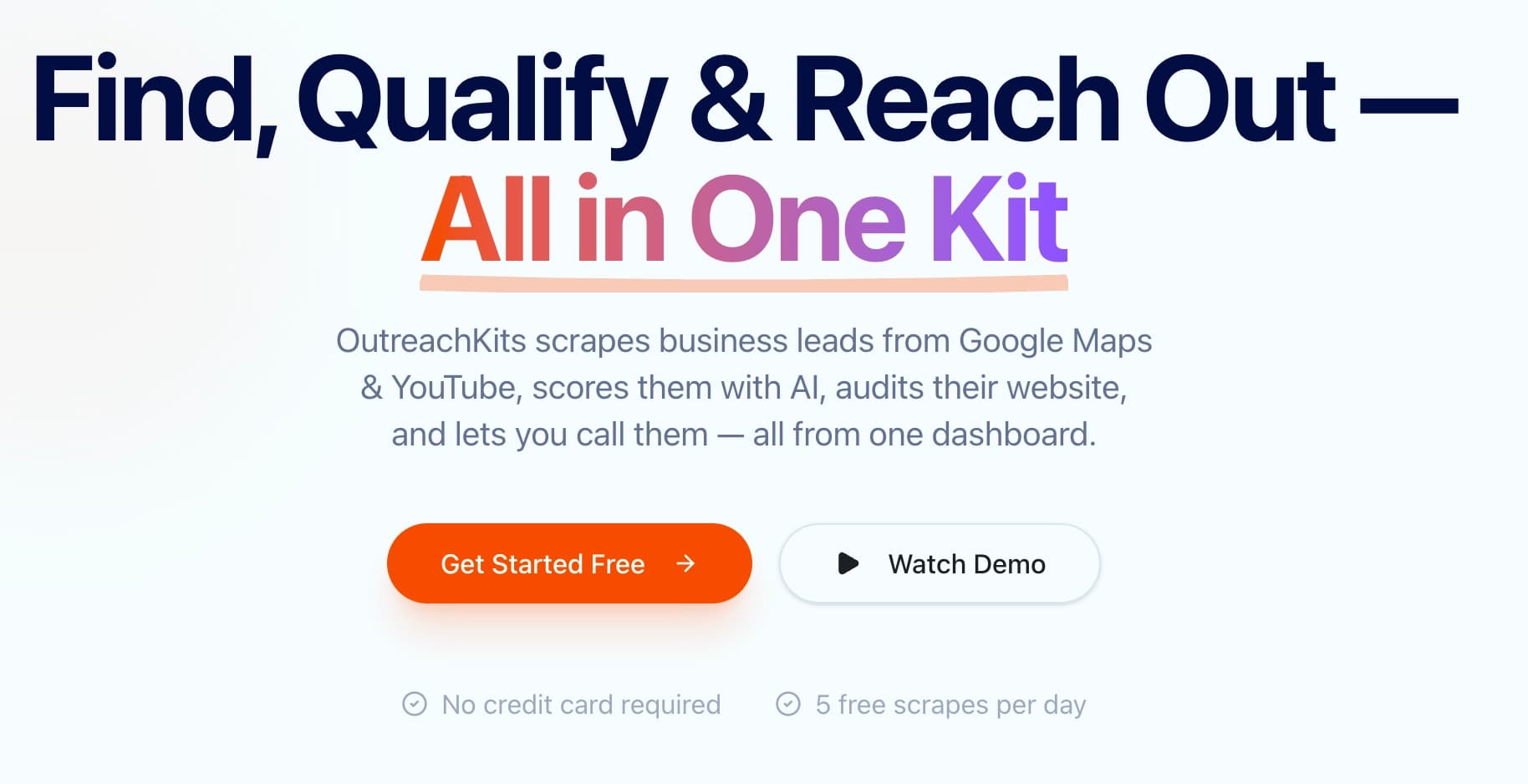
Prospects scraped from Google Maps and YouTube, their sites audited into a pitch, and their numbers dialled by an AI agent — all from one dashboard.

App Rescue
A Shopify CRM that worked for its founder and fell over on paying users — rate limiting, caching and payments fixed in 24 hours.



App Rescue
A whole operation running on one fragile Bolt-built app — stabilised fast, then rebuilt so a fix could stop breaking everything else.



About these write-ups
What each one contains, where the figures come from, and what to do with them.
One engagement, worked through end to end: the problem as the client described it, the constraints that ruled options out, the architecture we chose and why, and what changed once it was live. The parts that were hard are the parts written about at length — a write-up where everything went smoothly is a brochure, not a case study.
Projects is the portfolio — what was built and on what stack, across everything. A case study takes one of those and goes down into it. If you are assessing range, read Projects. If you are assessing judgement, read one of these.
They are what was measured on the engagement, and each one appears on the case-study page it belongs to rather than only in a summary. Where a number is a client system’s rather than ours to publish, it is described instead of quoted. If a figure matters to your decision, ask on the call and we will tell you how it was measured.
It depends on the constraints, and the constraints are usually latency, cost per call and what has to be auditable. Typically: a hosted or open-weight model for the reasoning layer, a purpose-built orchestration loop rather than a framework where the control flow matters, Postgres and Redis for state, and whatever the integration surface demands — telephony, CRM, calendars. Each case study names what it actually ran on.
Email contact@thworks.org naming it, and say where your situation differs — the differences are the interesting part and they are what the scoping call will spend its time on. A build that rhymes with one we have done is the strongest signal either of us has.